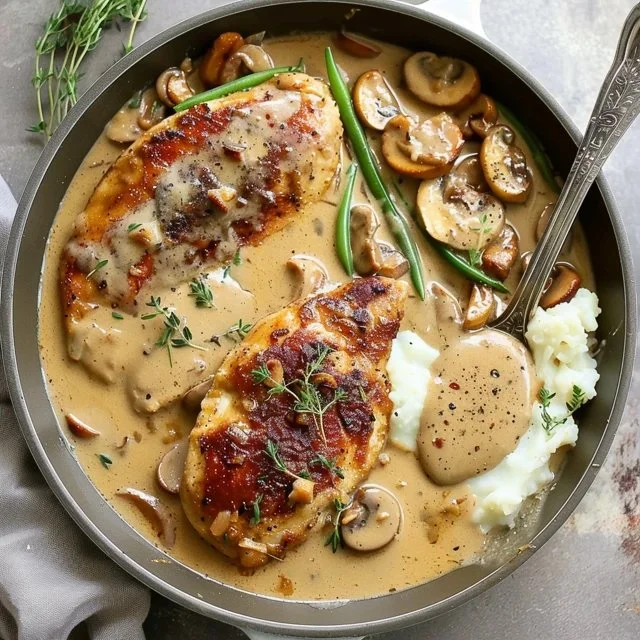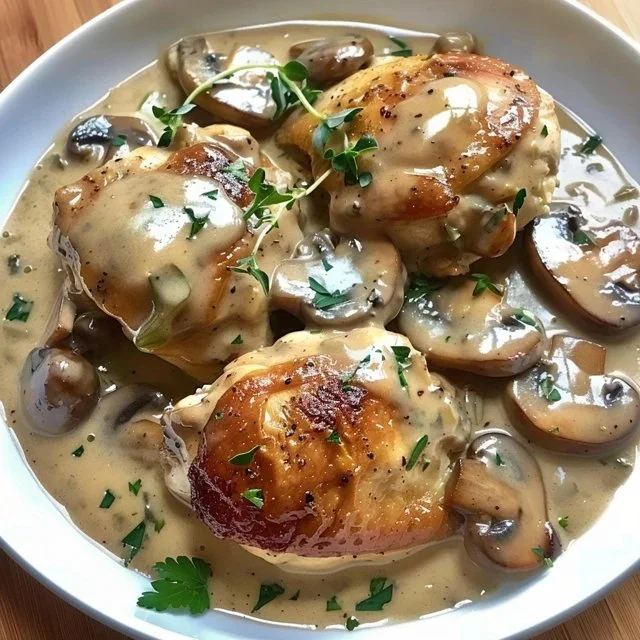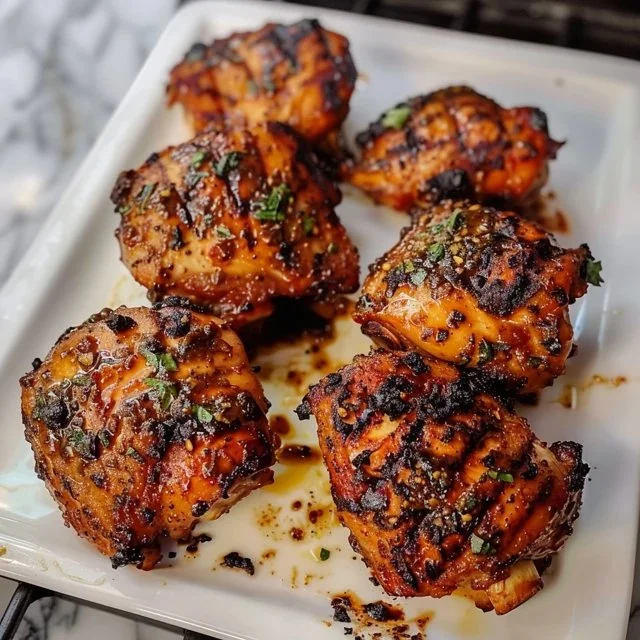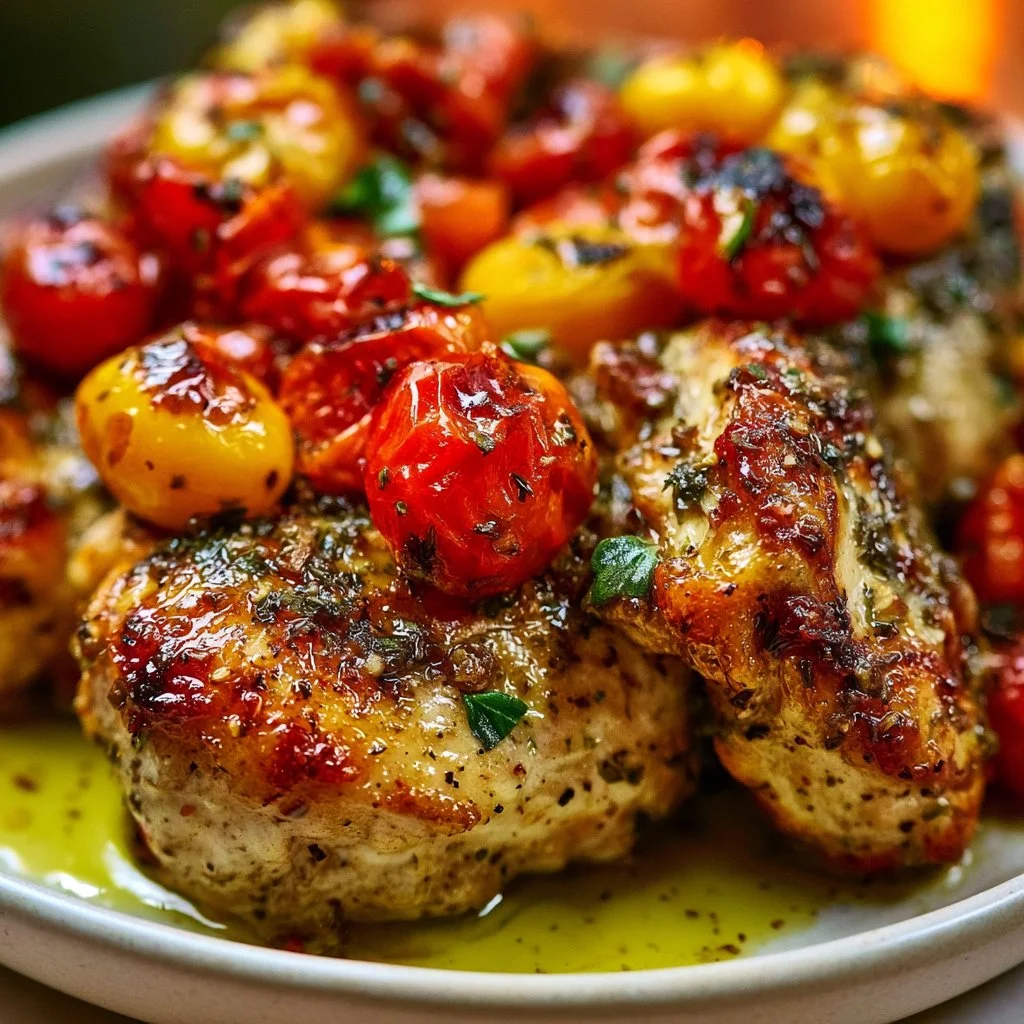
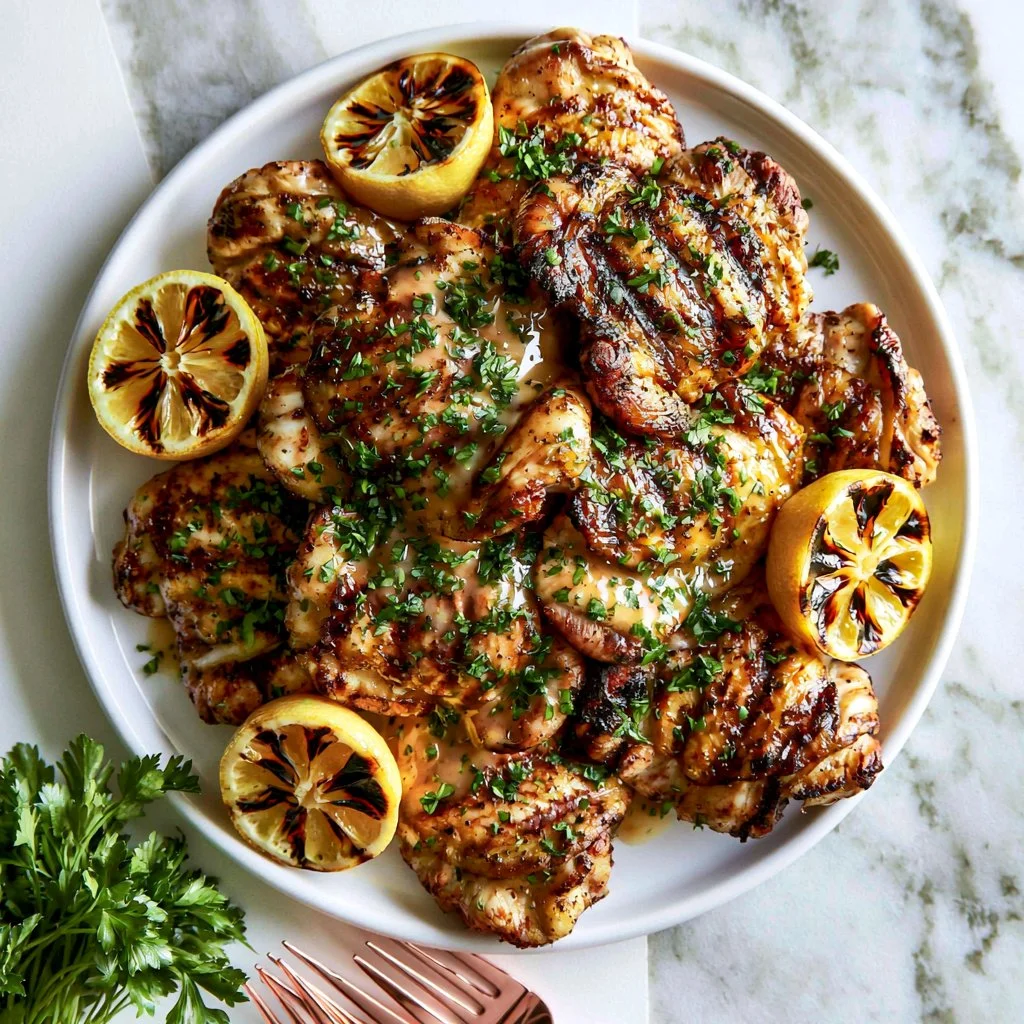
There’s something wonderfully satisfying about marinating chicken before cooking it, a ritual that transforms simple ingredients into a flavor-packed meal. The combination of lemon and garlic works beautifully together, bringing brightness and depth to the tender chicken thighs. This Lemon Garlic Chicken Thighs recipe makes for a delicious summer dish that can be enjoyed right at home.
Why This Lemon Garlic Chicken Thighs Recipe Works
The balance of acidity from the lemon juice with the warmth of garlic creates a marinade that infuses the chicken with flavor, ensuring it stays juicy during cooking. Coupled with the touch of Dijon mustard and herbs, each bite is a delightful experience. This recipe is practical for busy cooks, allowing for a simple marinating step that can turn ordinary chicken into a standout dish for any dinner.
Kitchen Tools for Lemon Garlic Chicken Thighs
- Mixing bowl
- Gallon-size Ziploc bag or large bowl
- Cast iron grill pan
Ingredients
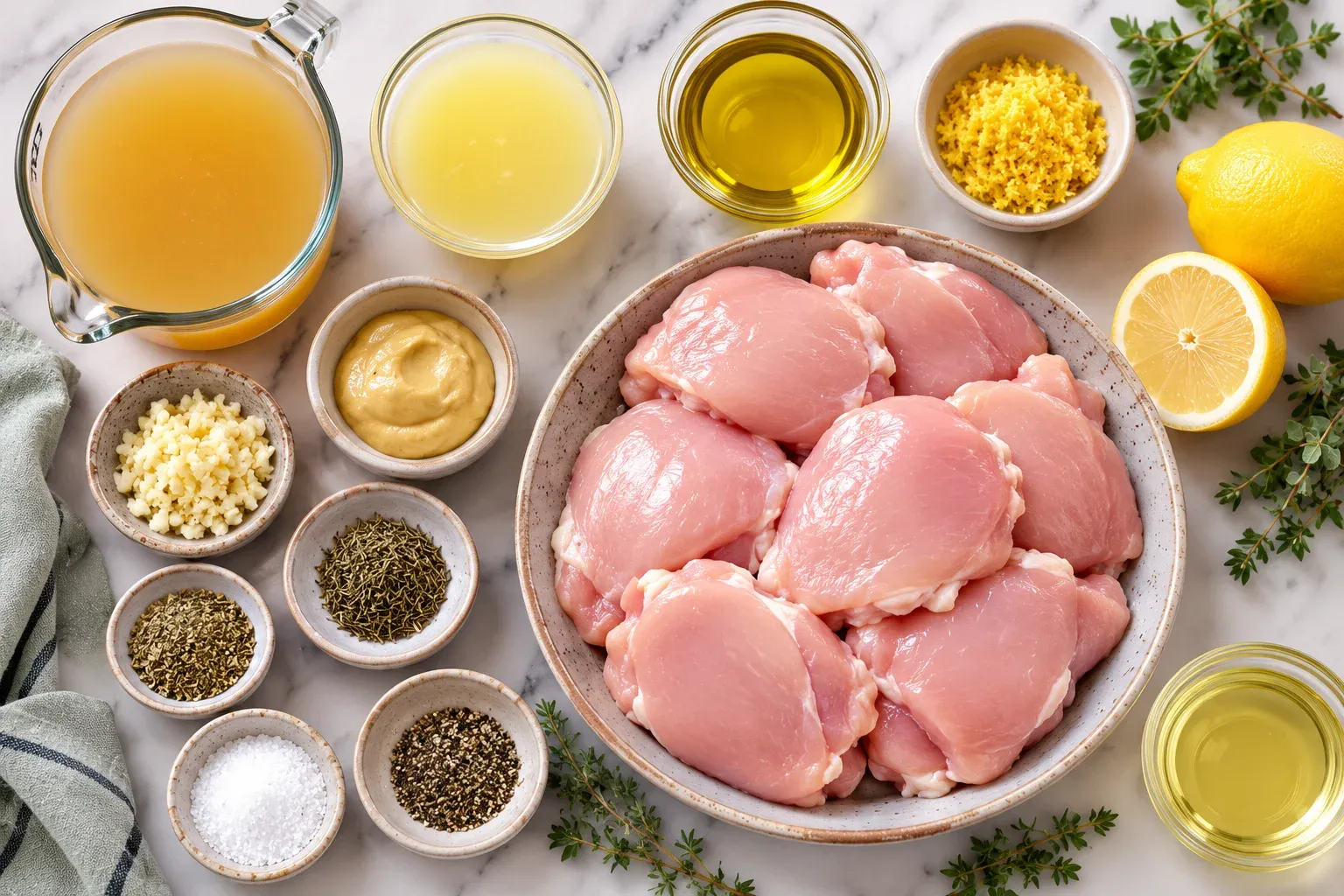
- ½ cup chicken stock
- 3 tablespoons freshly squeezed lemon juice
- 2 tablespoons olive oil
- 1 tablespoon lemon zest
- 2 cloves garlic, minced
- 2 teaspoons Dijon mustard
- 1 teaspoon dried oregano
- ½ teaspoon dried thyme
- Kosher salt and freshly ground black pepper, to taste
- 2 pounds boneless, skinless chicken thighs
- 1 ½ tablespoons canola oil
How to Make Lemon Garlic Chicken Thighs
Step 1. Start by blending the marinade in a medium bowl. Combine the chicken stock, lemon juice, olive oil, lemon zest, minced garlic, Dijon mustard, oregano, thyme, along with salt and pepper. This mixture will create a vibrant and aromatic marinade that’s crucial for infusing flavor into the chicken.
Step 2. Next, place the chicken thighs in a gallon size Ziploc bag or a large bowl. Pour the marinade over the chicken, ensuring each piece is well-coated. The marinating step is essential here—it allows the chicken to soak up all those delightful flavors. Seal the bag or cover the bowl, and let it marinate in the refrigerator for at least 2 hours or even overnight if time allows.
Step 3. When you’re ready to cook, take the chicken out of the marinade and drain it well. This will help prevent excessive moisture in the pan, allowing the chicken to brown beautifully.
Step 4. Heat canola oil in a cast iron grill pan over medium-high heat. The oil should shimmer just slightly, creating the perfect environment for a good sear.
Step 5. Working in batches, add the chicken thighs to the grill pan in a single layer. Cooking them until they develop a golden brown exterior indicates that they are caramelizing properly. Ensure the chicken cooks through, reaching an internal temperature of 165 degrees F before removing them from the pan. This usually takes a few minutes on each side.
Step 6. Once cooked, serve the chicken thighs immediately. The skin will be crispy, and the inside will be juicy, making for a lovely dish that’s both comforting and satisfying.
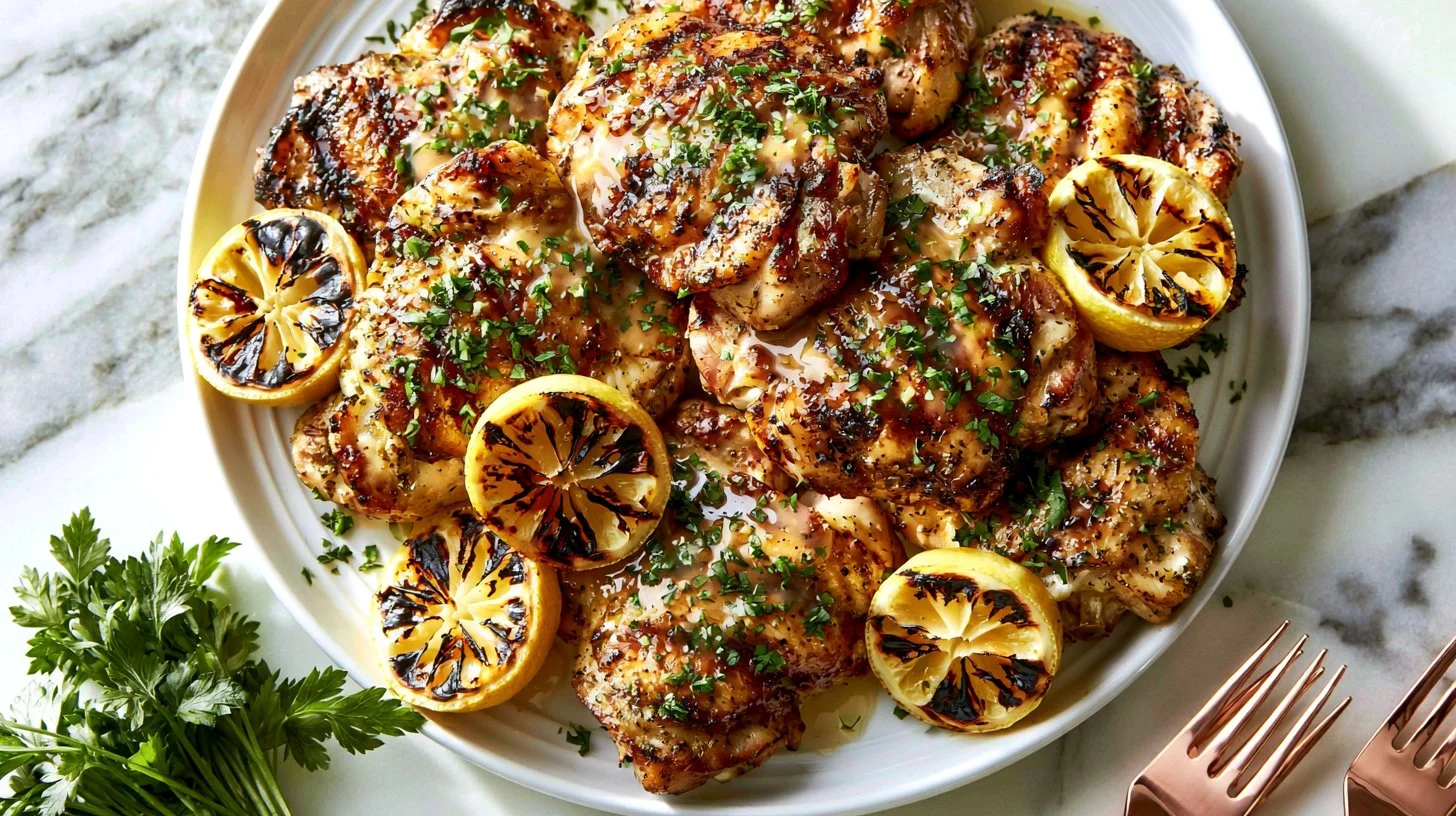
Serving Ideas for Lemon Garlic Chicken Thighs
These lemon garlic chicken thighs can be paired with various sides to create a complete meal. Consider serving them alongside a fresh salad for a lighter option or with some roasted vegetables for heartier fare. They’re also wonderful wrapped in warm tortillas with your favorite toppings for a flavorful quick lunch the next day. If you happen to have leftovers, they can easily be turned into a chicken salad or added to grain bowls for a nutritious meal.
Practical Tips for Lemon Garlic Chicken Thighs
- Squeeze the lemon fresh for the most vibrant flavor; bottled juice doesn’t compare.
- Let the chicken rest a few minutes after cooking to keep it juicy.
- Adjust the amount of garlic based on your preference; it adds great flavor but can be strong.
- Keep an eye on the chicken while it cooks to avoid overbrowning.
Common Mistakes to Avoid
- Not marinating long enough: If you skip or rush the marination process, the flavors won’t penetrate the chicken, resulting in a bland taste. Plan ahead; marinating overnight enriches the flavor immensely.
- Using too much oil: Adding excessive oil when cooking can lead to greasy chicken. The marinade and the canola oil are sufficient for achieving a good sear, so stick to the amounts specified.
- Cooking too fast: Cooking on too high heat can char the outside while leaving the inside undercooked. Medium-high heat is ideal for golden browning without sacrificing doneness.
- Not checking the internal temperature: Failing to verify the internal temperature can result in undercooked chicken, which isn’t safe to eat. Use a meat thermometer for assurance; the target is 165 degrees F.
- Crowding the pan: If you add too many chicken pieces at once, they’ll steam rather than sear. Cook in batches to achieve the best texture.
- Forgetting to drain the marinade: Leaving the marinade on can lead to a watery chicken that won’t brown properly. Make sure to drain it well before cooking.
Simple Variations
If you’re looking to change things up a bit, consider adding fresh herbs like parsley or basil to the marinade for an extra pop of flavor. You could also experiment with different types of mustard, such as spicy brown for a little added kick. Alternatively, a pinch of crushed red pepper flakes can be incorporated for those who enjoy a bit of heat.
Storage & Reheating
Store any leftovers in an airtight container at room temperature for a couple of hours. For longer storage, refrigerate them for up to three days. If you want to keep them for an extended period, freeze the chicken thighs before or after cooking. To reheat, warm them gently in the oven or on the stove over low heat to avoid drying them out.
Frequently Asked Questions
Can I make this recipe ahead of time?
Yes, marinating the chicken can be done the night before, making it ideal for meal prep. Just be sure to keep it in the fridge until you’re ready to cook.
How long does it last in the fridge?
Cooked chicken thighs can last up to three days in the refrigerator when stored properly in an airtight container.
Can I freeze this recipe?
Absolutely! You can freeze marinated chicken thighs or the cooked ones. Just ensure they are well-wrapped to prevent freezer burn.
What can I substitute for one ingredient?
If you don’t have chicken stock, water can work in a pinch, though it won’t add as much flavor. Adjust seasonings to make up for the difference.
Why didn’t my recipe turn out as expected?
Variations in cooking time, chicken thickness, or heat levels can lead to different results. Always verify the internal temperature and adjust cooking accordingly for the best outcomes.
Final Thoughts
Cooking Lemon Garlic Chicken Thighs allows you to embrace the joy of simple yet flavorful meals. The satisfying aroma of garlic and lemon perfecting the chicken as it grills is a delightful added bonus. With just a little preparation, this dish can make weeknight dinners or sunny summer gatherings feel special. Embrace your kitchen, enjoy the process, and savor every bite!
Lemon Garlic Chicken Thighs
Ingredients
For the marinade
- ½ cup chicken stock
- 3 tablespoons freshly squeezed lemon juice
- 2 tablespoons olive oil
- 1 tablespoon lemon zest
- 2 cloves garlic, minced
- 2 teaspoons Dijon mustard
- 1 teaspoon dried oregano
- ½ teaspoon dried thyme
- Kosher salt and freshly ground black pepper, to taste
For cooking
- 2 pounds boneless, skinless chicken thighs
- 1 ½ tablespoons canola oil
Instructions
Preparation of Marinade
- In a medium bowl, combine chicken stock, lemon juice, olive oil, lemon zest, minced garlic, Dijon mustard, oregano, thyme, along with salt and pepper to create the marinade.
Marinating the Chicken
- Place chicken thighs in a gallon size Ziploc bag or large bowl. Pour the marinade over the chicken, ensuring each piece is well-coated. Seal the bag or cover the bowl, and let it marinate in the refrigerator for at least 2 hours, or overnight if possible.
Cooking the Chicken
- Remove the chicken from the marinade and drain it well to prevent excess moisture when cooking.
- Heat canola oil in a cast iron grill pan over medium-high heat until it shimmers.
- Add chicken thighs in a single layer and cook until golden brown on both sides, ensuring an internal temperature of 165 degrees F.
- Serve immediately for crispy skin and juicy insides.