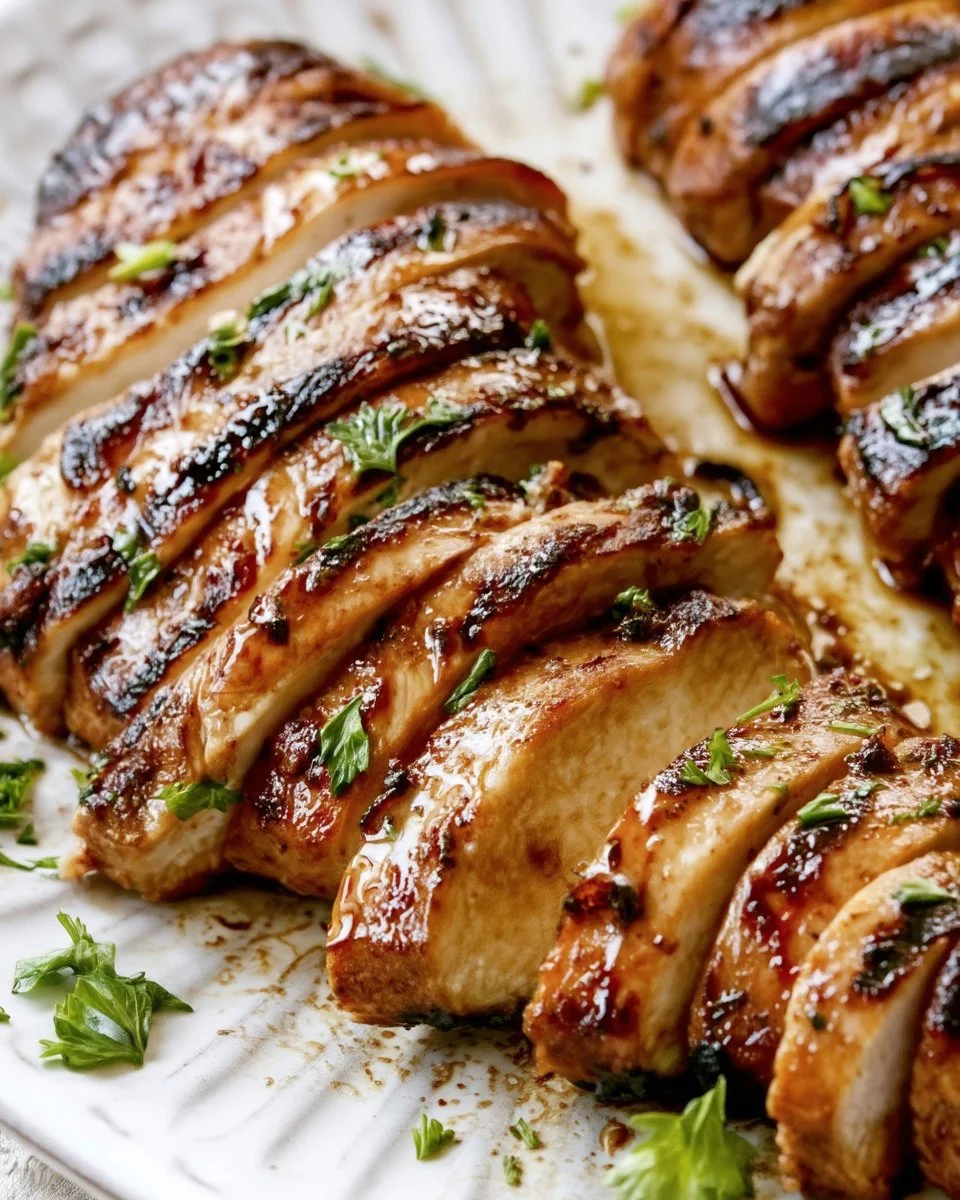
Cooking can be a comforting routine, especially when you’re looking to create a delightful meal without too much fuss. This marinade combines the sweetness of brown sugar with the bright notes of lemon and the savory depth from soy sauce and spices. Using 1 1/2 pounds of boneless skinless chicken breasts or thighs, this recipe offers a balance of flavors that enhance your chicken perfectly. It’s an inviting way to add a touch of flavor to your meal and is easy enough for any day of the week.
Why You’ll Love This Brown Sugar Chicken Marinade
This recipe is a wonderful option for those who appreciate ease and reliability in the kitchen. The combination of flavors delivers comfort without being overwhelming, making it a great choice for family meals. Using ingredients like brown sugar and various herbs, this marinade adds wholesome flavor to chicken, making it a practical choice for various occasions. You’ll find this straightforward recipe fits seamlessly into your everyday cooking routine.
Kitchen Tools You’ll Need
- Whisk
- Freezer bag or glass bowl
- Grill or skillet or baking dish
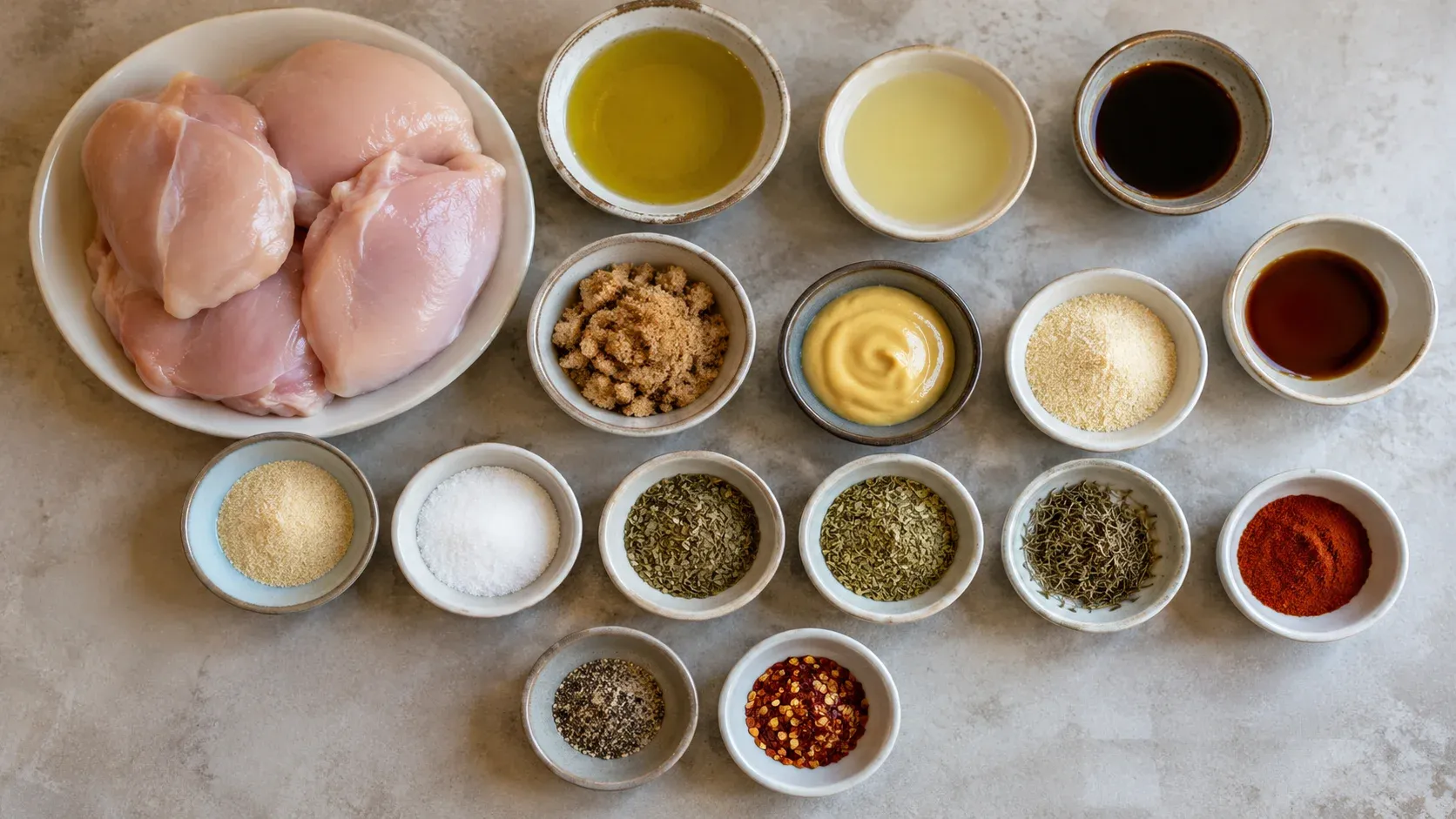
Ingredients
- 1 1/2 pounds boneless skinless chicken breasts or thighs (good source of protein)
- 1/3 cup olive oil (adds moisture)
- 3 tablespoons lemon juice (adds brightness)
- 2 tablespoons reduced sodium soy sauce (provides umami flavor)
- 2 tablespoons balsamic vinegar (adds sweetness and tang)
- 2 tablespoons brown sugar (introduces sweetness)
- 1 tablespoon Dijon mustard (adds tang and depth)
- 1 1/2 teaspoons onion powder (offers a mild onion flavor)
- 1 1/2 teaspoons garlic powder (provides aromatic flavor)
- 1 1/2 teaspoons salt (enhances overall flavor)
- 1 teaspoon dried basil (adds herbal notes)
- 1 teaspoon dried oregano (contributes earthy flavor)
- 1 teaspoon dried thyme (offers a subtle herbaceous taste)
- 1 teaspoon paprika (adds color and mild spice)
- 1/2 teaspoon pepper (introduces mild heat)
- 1/2 teaspoon red pepper flakes (provides a touch of heat)
How to Make Brown Sugar Chicken Marinade
Step 1. Begin by whisking together all the marinade ingredients in either a freezer bag or a glass bowl. This includes the olive oil, lemon juice, soy sauce, balsamic vinegar, brown sugar, Dijon mustard, onion powder, garlic powder, salt, basil, oregano, thyme, paprika, pepper, and red pepper flakes. Ensure that the mixture is well-blended, as this will help the flavors to meld together, creating a cohesive marinade.
Step 2. Once your marinade is ready, add the chicken to the mixture. If using a freezer bag, seal the bag and gently massage it to coat the chicken pieces evenly. If using a bowl, turn the chicken to ensure that every piece is well-covered with the marinade. The goal here is to ensure that the chicken absorbs the flavors thoroughly during the marinating process.
Step 3. Allow the chicken to marinate for at least 30 minutes at room temperature or, if you prefer, you can refrigerate it for up to 12 hours. If marinating at room temperature, keep an eye on the time, as this allows the chicken to absorb the marinade’s flavors while ensuring it stays fresh. For longer marinating, refrigeration helps deepen the flavors while also keeping the chicken safe to eat.
Step 4. When you’re ready to cook, remove the chicken from the refrigerator and let it rest at room temperature for 15 to 30 minutes. This helps even out the temperature of the chicken, which can lead to more even cooking whether you’re grilling, baking, or pan-searing.
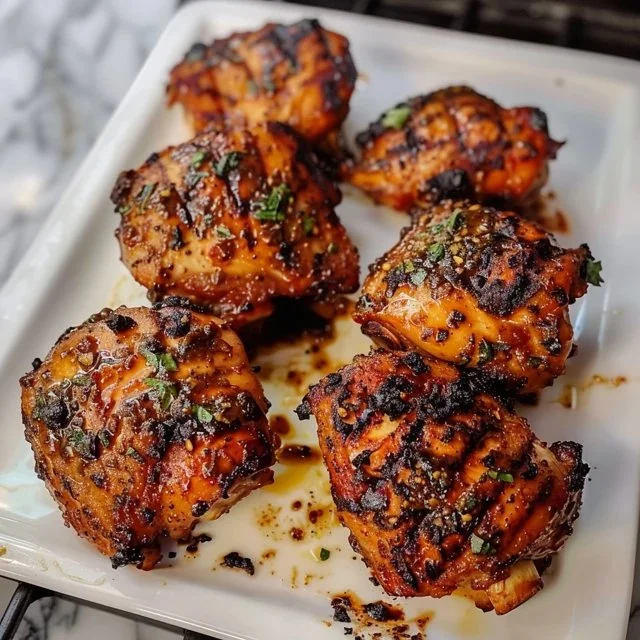
Step 5. For grilling, preheat your grill to 400 degrees Fahrenheit. Clean and grease the grates to prevent sticking. Place the chicken on the grill and cook it undisturbed for 5 to 7 minutes on one side. You’ll want to see nice grill marks forming. Flip the chicken and continue to grill for another 5 to 7 minutes, ensuring the internal temperature reaches 165 degrees Fahrenheit for doneness.
Step 6. For stovetop cooking, heat 1 tablespoon of olive oil in a skillet over medium-high heat. Add the chicken to the pan and allow it to cook for 3 to 4 minutes until it becomes golden brown on one side. Flip the chicken and cover the skillet, reducing the heat to medium. Cook for another 5 to 7 minutes until the chicken is fully cooked through.
Step 7. If you choose to bake the chicken, preheat the oven to 425 degrees Fahrenheit. Drain the chicken from the marinade and place it in a greased baking dish. Bake the chicken for 16 to 18 minutes, checking for an internal temperature of 165 degrees Fahrenheit to ensure it is cooked thoroughly.
Serving Suggestions
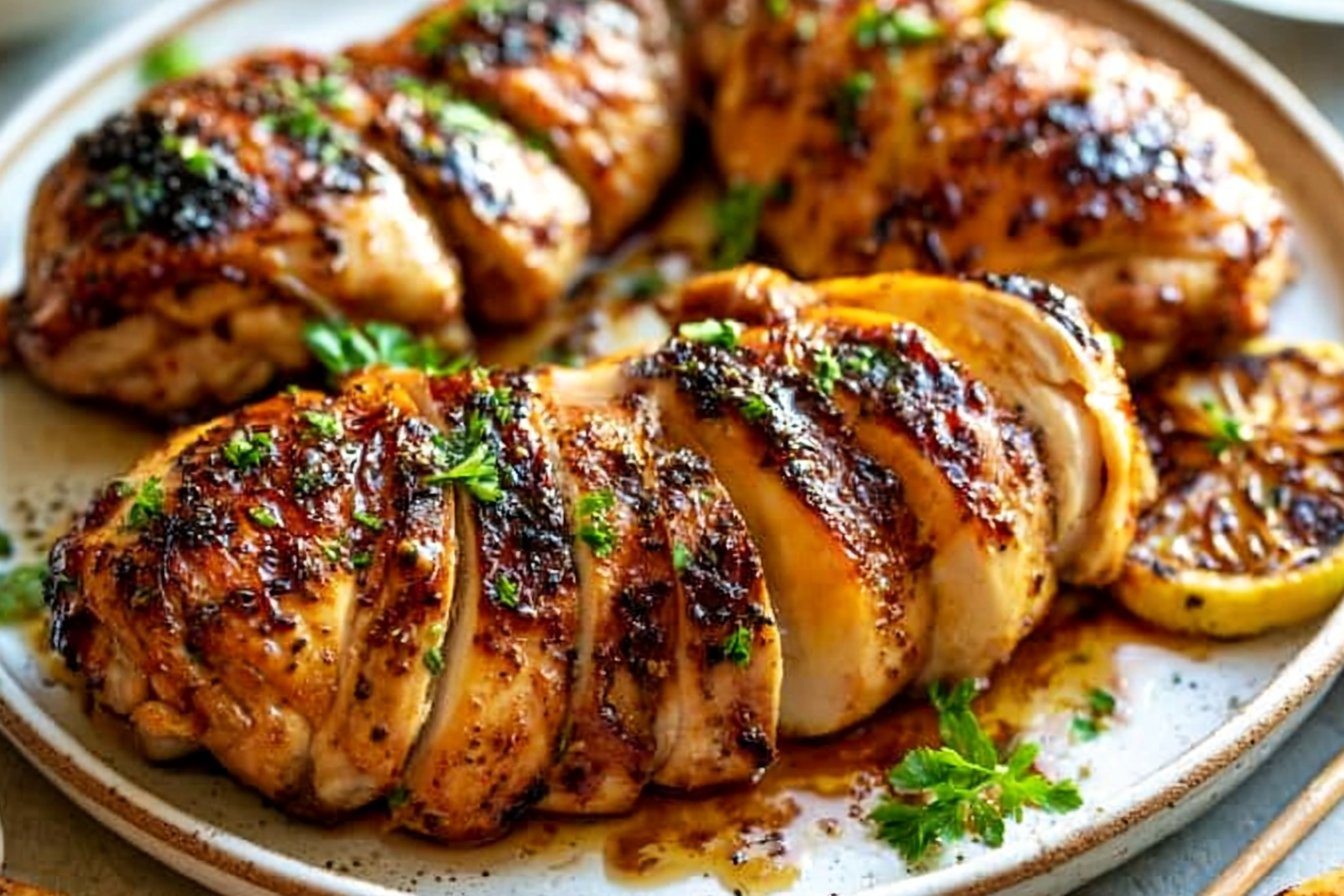
This brown sugar chicken can be a starring dish at dinner or creatively used in various meals throughout the week. Serve it alongside steamed vegetables for a light, satisfying dinner. For lunch, slice the grilled or baked chicken and use it in a fresh salad or wrap, pairing it with greens, tomatoes, and your favorite dressing. You can also enjoy leftovers cold as a protein-packed snack or add them to stir-fries and grain bowls for a quick meal.
Pro Tips for Best Results
- A longer marinating time typically enhances flavor absorption, so don’t hesitate to refrigerate overnight for more intense flavor.
- If grilling, allow your chicken to reach room temperature before cooking for more even doneness.
- Keep an eye on it while cooking to prevent overcooking, which can lead to dryness.
- If using thicker chicken pieces, consider flattening them slightly for more uniform cooking.
- Experiment by adding other dried herbs to personalize the flavor profile to your preference.
- Always use a meat thermometer to ensure perfect doneness without risking undercooked chicken.
Common Mistakes to Avoid
One common mistake is marinating chicken for too long or not long enough. Over-marinating can lead to an overly salty texture, while under-marinating may not impart enough flavor. Aim for the recommended times for best results. Another is cooking the chicken straight from the fridge, which can result in uneven cooking; always let it rest at room temperature first. Using too high a heat can also cause the outside to burn while leaving the inside undercooked; moderate the heat according to your cooking method.
Failing to use a thermometer is a mistake that can lead to undercooked or overcooked chicken. To prevent this, make sure you check for an internal temperature of 165 degrees Fahrenheit. Not cleaning and greasing your grill or skillet can lead to sticking, so a little preparation helps in serving it beautifully. Lastly, neglecting to allow the chicken to rest after cooking can cause juices to run out, leading to dryness.
Variations & Substitutions
For a twist on the flavor, consider adding a splash of your favorite hot sauce to the marinade for a spicy kick. You can also incorporate fresh herbs like parsley or cilantro if you have them on hand, which can enhance the overall flavor. If you want to cut down on sweetness, reduce the amount of brown sugar slightly. Feel free to mix up the spices with whatever you have available, maintaining the essence of the marinade while adding your flair.
Storage & Reheating
When it comes to storage, any leftovers can be safely kept at room temperature for a maximum of two hours. For longer storage, place the chicken in an airtight container and refrigerate. Use within three to four days for the best quality. If you’d like to keep it longer, consider freezing the cooked chicken, as it can maintain its quality for up to three months. When reheating, the stovetop or oven is ideal to preserve the texture; just reheat gently until warmed through, avoiding high heat that can dry it out.
Frequently Asked Questions
Can I make this recipe ahead of time?
Yes, you can marinate the chicken ahead of time and store it in the refrigerator for up to 12 hours. This not only saves time but also enhances the flavor.
How long does it last in the fridge?
Cooked chicken leftovers can last in the refrigerator for three to four days when stored properly in an airtight container.
Can I freeze this recipe?
Yes, cooked chicken can be frozen for up to three months. Make sure it is stored in a freezer-safe container or bag to prevent freezer burn.
What can I substitute for one ingredient?
If you don’t have Dijon mustard on hand, you can use yellow mustard as a substitute, though it may alter the flavor slightly.
Why didn’t my recipe turn out as expected?
Variations in heat levels and cooking times can affect the outcome. Be sure to use a meat thermometer and follow timing instructions closely to ensure perfect results.
Final Thoughts
Making this brown sugar chicken marinade offers a simple yet satisfying experience in your kitchen. The blend of sweet, savory, and tangy flavors creates a meal that feels both comforting and vibrant. Enjoying the results of your cooking can bring satisfaction, with plenty of opportunities for creativity using leftovers. Remember, cooking should be enjoyable and relaxed, allowing even the busiest nights to become special meals around your table.

Brown Sugar Chicken Marinade
Ingredients
For the marinade
- 1.5 pounds boneless skinless chicken breasts or thighs Good source of protein
- 1/3 cup olive oil Adds moisture
- 3 tablespoons lemon juice Adds brightness
- 2 tablespoons reduced sodium soy sauce Provides umami flavor
- 2 tablespoons balsamic vinegar Adds sweetness and tang
- 2 tablespoons brown sugar Introduces sweetness
- 1 tablespoon Dijon mustard Adds tang and depth
- 1.5 teaspoons onion powder Offers a mild onion flavor
- 1.5 teaspoons garlic powder Provides aromatic flavor
- 1.5 teaspoons salt Enhances overall flavor
- 1 teaspoon dried basil Adds herbal notes
- 1 teaspoon dried oregano Contributes earthy flavor
- 1 teaspoon dried thyme Offers a subtle herbaceous taste
- 1 teaspoon paprika Adds color and mild spice
- 1/2 teaspoon pepper Introduces mild heat
- 1/2 teaspoon red pepper flakes Provides a touch of heat
Instructions
Preparation
- Begin by whisking together all the marinade ingredients in either a freezer bag or a glass bowl. Ensure that the mixture is well-blended.
- Add the chicken to the marinade mixture. If using a freezer bag, seal and gently massage it. If using a bowl, turn the chicken to coat evenly.
- Allow the chicken to marinate for at least 30 minutes at room temperature or up to 12 hours in the refrigerator.
- Remove the chicken from the refrigerator and let it rest at room temperature for 15 to 30 minutes before cooking.
Cooking
- For grilling, preheat your grill to 400°F. Clean and grease the grates. Grill chicken for 5 to 7 minutes on each side until the internal temperature reaches 165°F.
- For stovetop cooking, heat 1 tablespoon of olive oil in a skillet over medium-high heat. Cook chicken for 3 to 4 minutes until golden brown on one side, then flip and cover, reducing heat to medium for another 5 to 7 minutes.
- For baking, preheat oven to 425°F. Drain chicken from marinade, place in a greased baking dish, and bake for 16 to 18 minutes, checking for an internal temperature of 165°F.